The Story
Two black bear cubs stand bolt upright beneath a backyard hammock. The bigger one reaches a paw up to the netting, and the smaller one tips its nose up at it as if working out the physics.
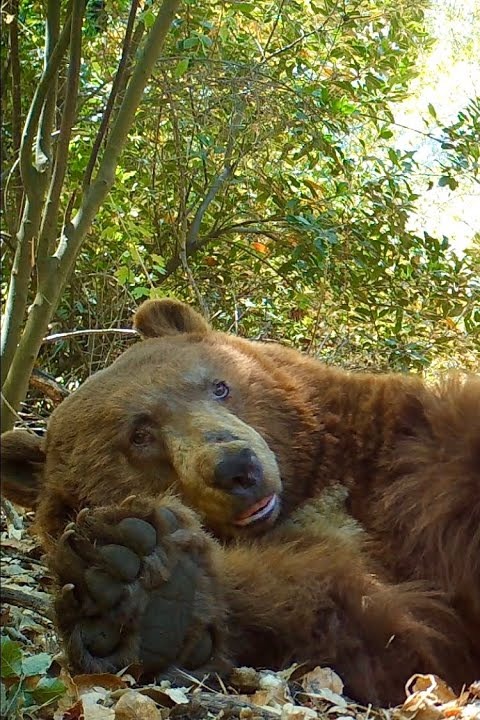
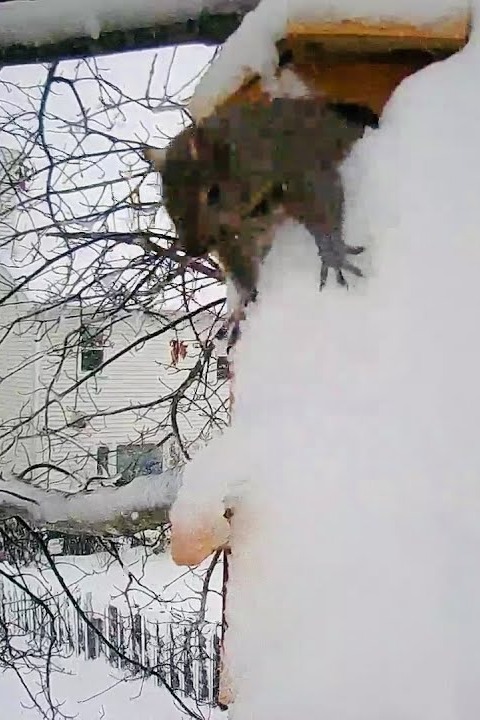
A woman bought the hammock for the bear family that comes by her house, a mother and two cubs, and a critter cam in the yard records what they make of it. Many bear families have passed through.
Park guidance says a standing bear is usually curious, not threatening. Black bears stand 5 to 7 feet tall that way and about 3 feet at the shoulder. These cubs come up well short of that, and the hammock hangs about level with the bigger one's raised paw.
What they lack in height they make up in equipment. Non-retractable claws and a flat-footed gait help black bears climb trees, swim efficiently and run up to 30 miles an hour. Their nose is keener than a dog's.
Black bears normally live alone. A mother with cubs is one of the exceptions, along with breeding pairs in summer and bears gathered at feeding sites. Litters run one to five, usually two or three. Cubs are born mainly in January and February, often while the mother hibernates, and stay with her about 18 months.
Maryland's Department of Natural Resources warns that easy human food can bring a lifelong change in behavior that puts bears at risk, and New York's DEC says unintentional feeding may ultimately prove deadly for the bear if it becomes a greater threat to people and property. Bird seed counts. Bears are very fond of it, especially black oil sunflower seed, which they can smell from a long distance, and once a bear finds a food source it returns repeatedly. The gifts in this yard are a hammock, a tub of water and a rubber duck, and later it is the mother who sits in the tub, the yellow duck bobbing beside her.