The Story
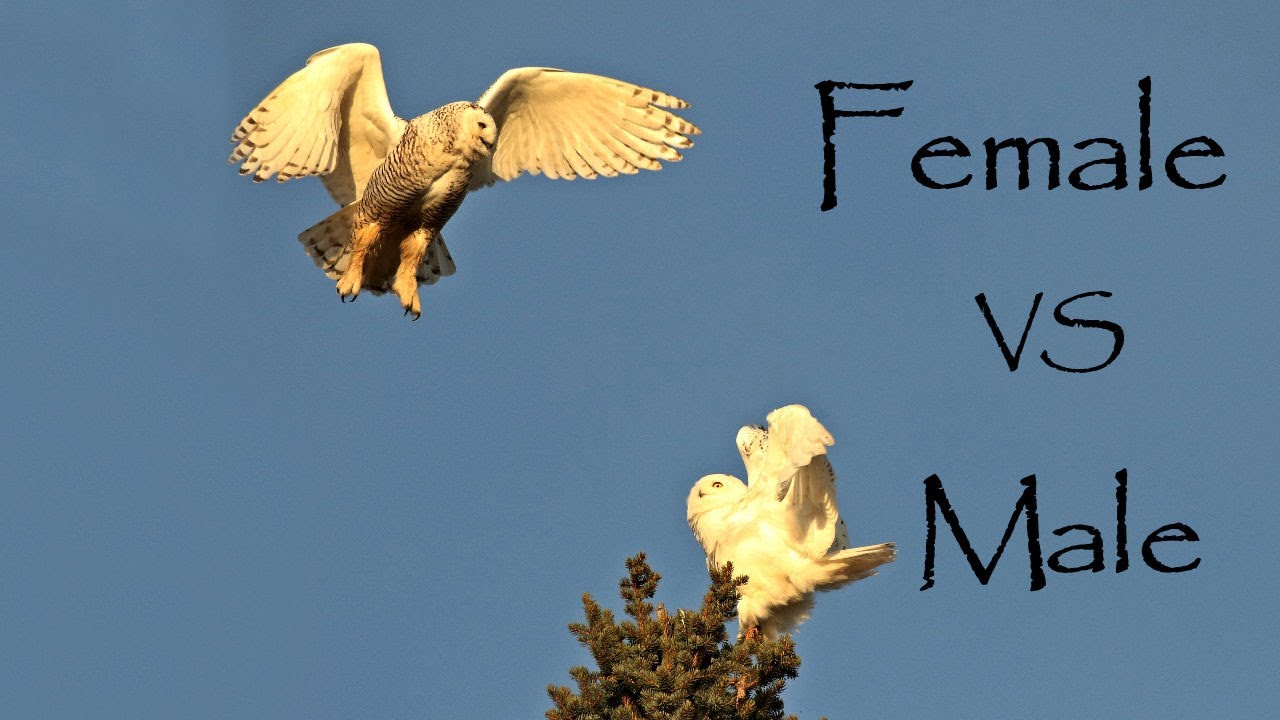
A heavily barred snowy owl hangs over the tip of a pine, wings spread wide, feet lowered. The seat she wants is already taken.
The owl holding the treetop is the male, and he is easy to pick out: the whiter bird, and the smaller one. That fits the species. Females outsize males. Adult females keep some dark markings, males carry the least, and it takes a male several years to turn totally white. The darker flier is the female.
This was no one-off. In 2019, in the last stretch of daylight before sundown, the two owls fought over the tallest perch around, this one pine, and they did it like clockwork, day after day. They chased each other and jousted one another off the top. The photographer who caught it in still frames and fast sequences counts it as a favorite snowy owl encounter.
Why fight over a branch tip? Snowy owls usually hunt from a perch, then chase prey in swift flight and take it in the talons, finding it by sight or by sound; they can pinpoint a rodent moving under snow by ear. The species is generally solitary and territorial, and in winter, females set up territories and defend them until spring. To the people watching, height looked like rank.
Which makes the outcome a small upset. The female has the size. Yet the people on the ground kept a running bet on who would be the last owl standing on the pine, and the winner was the small white one. He stood his ground.
A pine top is foreign ground for this species. Snowy owls breed on open tundra north of the treeline, past the last trees, and winter in open country, from prairies and farmland to coastal marshes and beaches, where they usually perch on the ground, on buildings or on utility poles. Near the end, in slow motion, a barred owl drops from the bare branches of a leafless tree and spreads its wings, every flight feather fanned.