The Story
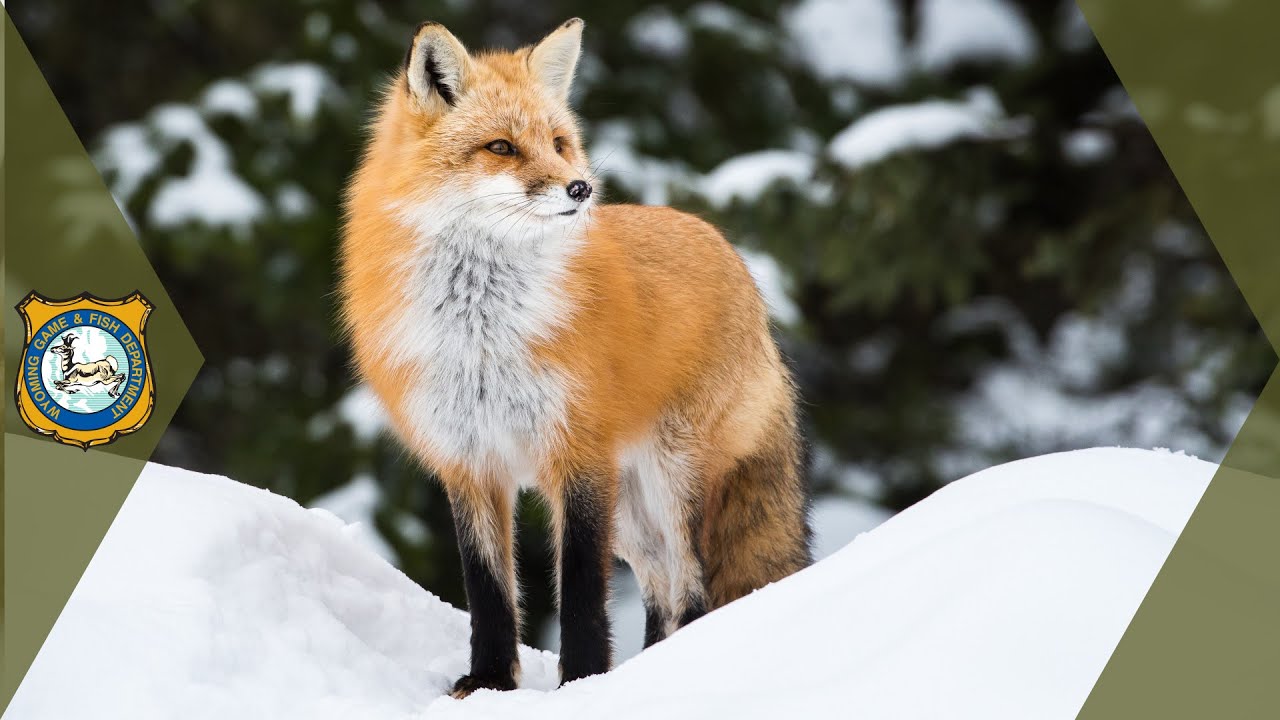
A red fox lets loose a scream in front of a trail camera in northwest Wyoming, and for a moment it sounds like a crime scene.
Then, about eleven seconds in, the same fox changes its tune and barks. One animal, two calls. The clip is short and built around sound, which is exactly why it is useful: the scream and the bark are the two forms of the red fox's common call.
The scream is the classic. The red fox's common call is a raspy, single-syllable scream or bark, repeated every 3 to 10 seconds. In Connecticut it is a frequent source of reports to state wildlife staff. The timing does not help. Red foxes are active mainly at dawn, dusk and night, and night is when most of us are trying to sleep.
The scream and the bark are only the loud end of the range. Red fox calls run from soft huffs and whines up to barks, screams and a loud, coughing call known as gekkering, and before mating, males may fight over mates through gekkering and posturing. Researchers have described 28 kinds of vocalizations, and individual foxes can be told apart by voice.
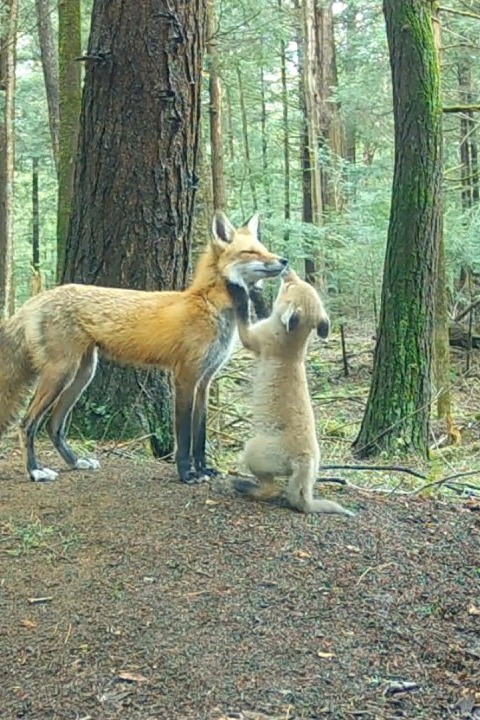
So who is this fox talking to? Wyoming Game and Fish suggests its mate, or pups that may just be starting to come out of the den. That fits how red foxes raise a family. Both parents bring food and guard the den, and the male feeds the vixen but does not enter the maternity den. Kits leave the den at 4 to 5 weeks old. A vixen also screams when she is trying to attract a male, and in Connecticut breeding runs from January through March.
Sound is not the whole conversation. Red foxes also mark with urine, feces and several scent glands.